

Op-Ed: Wait, I have a state legislature?
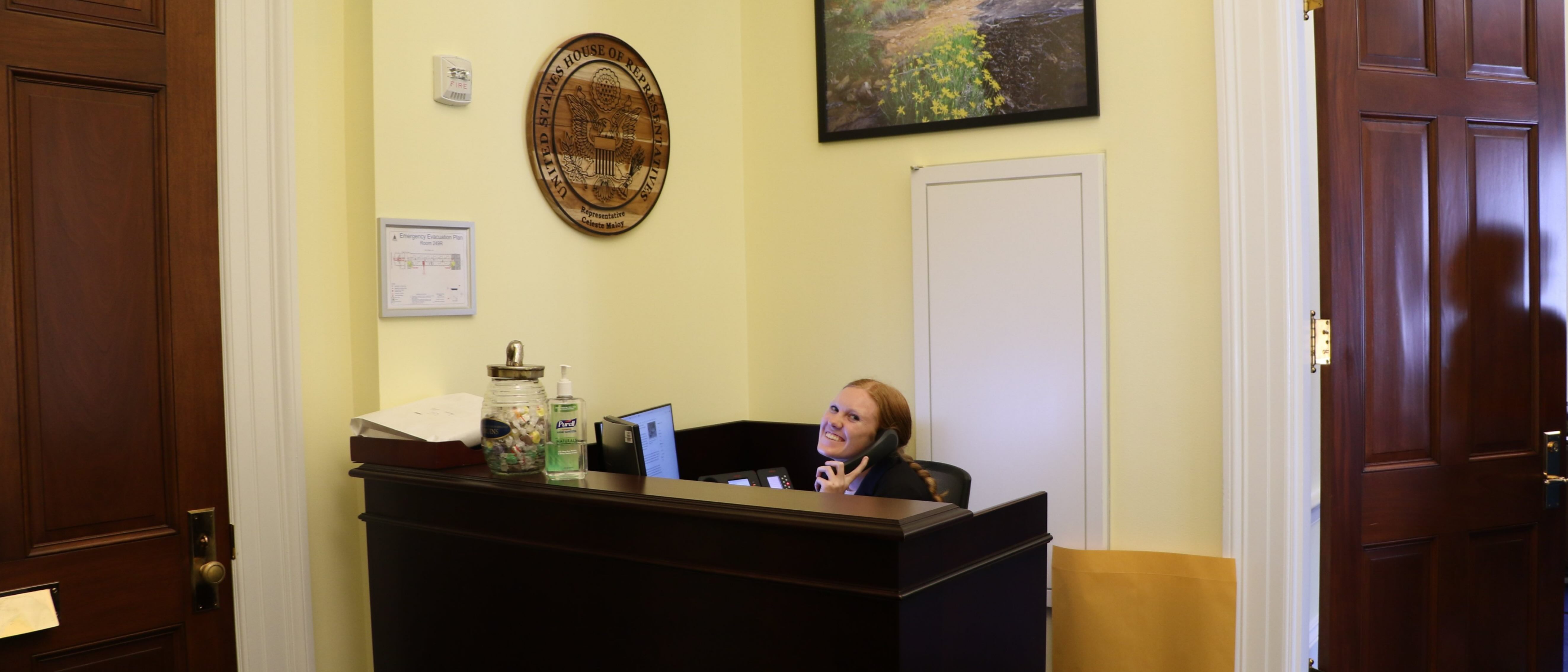
I fielded a lot of ridiculous phone calls during my summer as an intern in the DC office of Congresswoman Celeste Maloy. Being the first line of defense against the barrage of frustrated constituents was exhausting but the occasional chance I had to broaden someone’s understanding of the legislative process would often make up for it.
One afternoon, late in the summer, when the calls had slowed down enough in the August recess that I didn’t mind having slightly longer conversations, a woman called annoyed about the current Congressional district boundaries.
“I don’t understand how I have the same Congressman as my sister. I live in Salt Lake and she lives in St. George. How is that fair?”
This was prior to the judge’s ruling on the updated Utah congressional map and before redistricting was even a commonplace conversation. But this wasn’t my first phone conversation about a policy that was completely out of the Congresswoman’s jurisdiction and I responded automatically, “That’s actually the State Legislature that decides the maps-”
The woman cut me off. “I’m not asking for your opinion!”
That statement alone would probably be enough for this interaction to stick with me for the better part of a year, as it has, with the ridiculous assertion that civic education was actually just a matter of opinion. But in spite of that, I doubled down. “Ma’am, the Congresswoman doesn’t draw the maps, that’s actually the State Legislature. They’re the ones who decide the district boundaries on the federal level.”
She was still in defense mode but I could tell I’d caught her off guard and she had realized maybe she didn’t have all the information. “Oh. Who are they so I can contact them?”
I pointed her to the state legislature website so she could find her State Senator and Representative and by the end of the conversation, her tone had softened considerably. “Thank you for letting me know.”
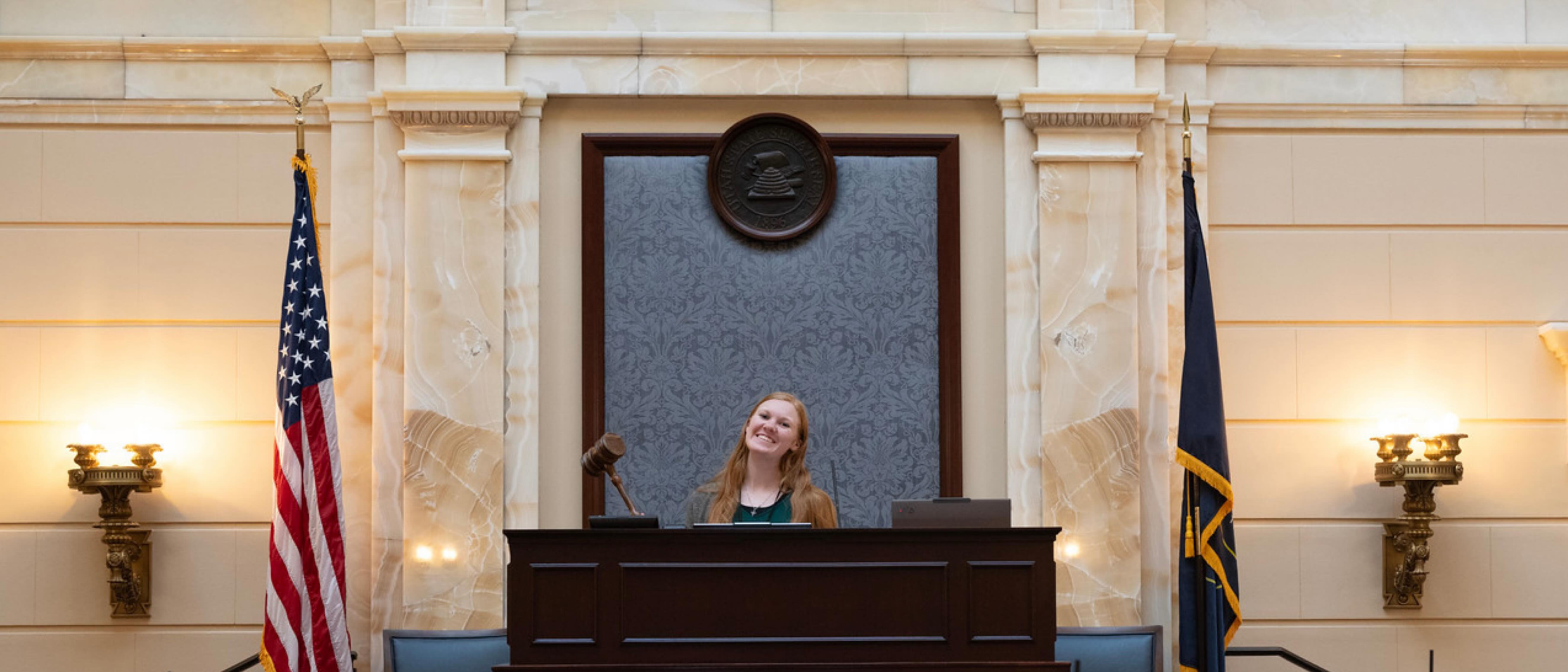
In this era of Utah politics, I could make a lot of points about that story, particularly with what ended up happening with Congressional redistricting and the Utah Legislature and a certain judge just a few months later. But my purpose in telling this actually has more to do with the woman’s initial lack of understanding of the system. I’m not faulting her in any way for this– just a few months before, a political science professor had asked my class if anyone knew their state representative and nobody did– but the lack of knowledge about the system doesn’t make said system any less impactful. In many areas of day-to-day life, Utahns are affected more by the state legislature than they realize. Lucky for me (and now you), I ended up interning with the State Senate six months after my time with the Congresswoman and got a behind-the-scenes look at both systems that I can pass along to you.
Logistics
Like many states, Utah’s legislative body is divided extremely similarly to the United States legislative body, with two chambers, one “upper” chamber (the Senate) and one “lower” chamber (the House of Representatives).
Congress has 535 voting members with the 435 Congressmen serving two-year terms and 100 US Senators serving six year terms (with a third up for election every cycle). Both the Senate and House are “in session” about 160 days per year with each session lasting two years (this is why election talk ramps up every two years). The remaining days “out of session” are spent in their districts or campaigning. They are fulltime legislators and often work a lot of overtime completely serving their community. Although they spend their weeks in Washington DC, they usually fly home to their districts for the weekend to be physically available for constituents and local events. Because Senate rules generally require 60 votes to overcome a filibuster on most legislation, major policy changes often require massive bipartisan support or unusually large majorities (which are rare). This also leads to extremely strong party lines and votes that often go right down the middle.
The Utah State Legislature has 104 voting members with 75 Representatives serving two year terms and 29 Senators serving four-year terms (with half up for election every cycle). They are a part-time legislature with day jobs, meaning they are full-time during one general 45 day session and the occasional special session called by the governor, and then attend some committee meetings throughout the year. During this 45-day session, one of the shortest state legislative sessions in the country, hundreds of bills are introduced, debated on, passed, or killed. During occasional special sessions throughout the year called by the Governor, only bills related to the topic can be discussed. The Utah Legislature has consisted of a Republican supermajority for decades, meaning legislation passes much more quickly than in Congress, but also that lawmakers vote less consistently along party lines. Lawmakers also have more flexibility to build coalitions across issues since legislation doesn’t need to overcome a filibuster.
What Congress Decides
Congress is responsible for writing federal law, though its powers are limited to those granted under the US Constitution. Most of their time is taken up deciding the federal budget and the inability to pass this is what leads to government shutdowns. Any non-budget legislation that has any hope of passing must be extremely bipartisan. Congress can pass legislation on:
- Foreign policy including the declaration of war
- Immigration
- Federal taxes and the budget
- Interstate commerce
- Currency
- Military and defense
- Federal courts and federal criminal law
- Federal civil rights enforcement
- Government programs such as social security, medicare, medicaid, etc
- Federal agencies such as the FDA, EPA, FCC, etc
If you have an issue related to this list, your US Senators and US Congressmen are the ones to contact. During my time with the House of Representatives, we usually heard concerns over the budget, potential cuts to federal programs, and changes to federal land.
What the Utah Legislature Decides
The Utah Legislature writes state law, which is more expansive and touches more day-to-day life than many Utahns realize. The Utah legislative session moves extremely quickly and, thanks to their party supermajority and ability to pass bills with a constitutional majority, they have an easier time passing bills than the US Congress. They usually hear up to 1,000 bills and pass around half of those. Their bills are also usually smaller and easier to read than Congressional bills because the Utah constitution requires single-topic bills. The Utah Legislature can pass legislation on:
- State taxes, including income tax and sales tax, and the legal framework of property tax (which is collected primarily by local taxing entities such as counties, cities, school districts)
- Funding and policy for public schools, including universities and K-12
- State criminal law and the related courts
- Family law including marriage, divorce, and custody
- Professional and occupational licensing
- Water rights
- Liquor policy
- State public transportation such as UDOT and UTA
- Environmental regulation
- The state budget
If you have an issue related to this list, your Utah Senator and Utah Representative are the ones to contact, especially during the 45-day session. During my time with the Utah Senate, we usually got concerns over the bills that were currently in the news, such as SB 69, which created a standard phone policy in schools for the state or HB 337 which increased the state tax on nicotine products. You can follow the session and trending bills by subscribing to Utah Policy, or following trending bills on the Utah Legislature website.
Why This Matters
So what? Why should you bother knowing the difference between the two bodies and what they actually do? One word — accessibility.
Whether you want to actually move the needle or whether you just want someone to yell at over the phone, the lawmaker’s vested interest in your case is dependent on whether or not they can actually help you. I’m not saying the lawmakers aren’t interested in your opinion, of course they are, but because of the way the system is set up, they are limited in what they can actually do. Calling your Congressman all the time to complain about what day Halloween falls on doesn’t actually accomplish anything because they can’t change that. Your state representative, on the other hand, can.
Along those same lines, your state senators and representatives are much more available for you to meet and talk and, in a lot of ways, have more impact on your day to day life. They often manage their own email and answer their own phone, whereas US Congressmen have a much larger staff to handle these things for them. They also may hold more frequent events and town halls with fewer attendants since they spend more of their working time in their districts. If you want the chance to actually talk to a lawmaker, you have a better shot reaching out to your state legislator.
And if you’ve made it this far, I’m going to give you one last piece of advice, from a former intern who’s read and heard a lot of complaints about various bills. When you hear about a controversial bill, do your best to read the bill itself before forming a strong opinion. News coverage, social media, or interest groups often emphasize different parts of legislation or tell half-truths. Reading the actual text can give you a more complete understanding of what a bill actually does.
Bills are not always fun to read but knowing how to is very worth it in the quest to be engaged in politics. AI is an incredibly useful tool for bill summaries ONLY IF you copy and paste the bill text in its entirety. AI can’t read government websites and can’t interpret legislation well, nor can it provide additional stakeholder context, but it can give plain-English summaries of a complicated text.
(It’s also always a good idea to check the status of the bill and which committee it’s in. Lawmakers will always hear you out and may agree or disagree with your position but have little ability to influence the bill unless it’s in a committee or chamber where they serve.)
Where to Direct Your Attention
It’s a good idea to keep up with both federal and state policy when you can and an even better idea to be familiar with your lawmakers. Knowing who can actually make a difference on a policy you’re concerned about will make a huge difference in your ability to be heard by the right people. Here are some more places go to if you want to be involved:
Federal Level
- Find Your Representative (Your Senators are the same for the entire state– Senator Lee and Senator Curtis)
- Congress.gov (where to find bills)
- CSPAN (where to watch floor time and committee meetings- always public)
State Level
- District Maps (you have one State Representative and one State Senator)
- Le.utah.gov (your one-stop shop for bills, committee live streams/recordings, legislator profiles, etc. It’s one of the best legislative websites in the country)
And of course, keep following the Doers Network for more information and opportunities to tune in. We’ll do our best to keep you informed while being mindful of your time.