
Understanding the Leadership of the Utah Legislature
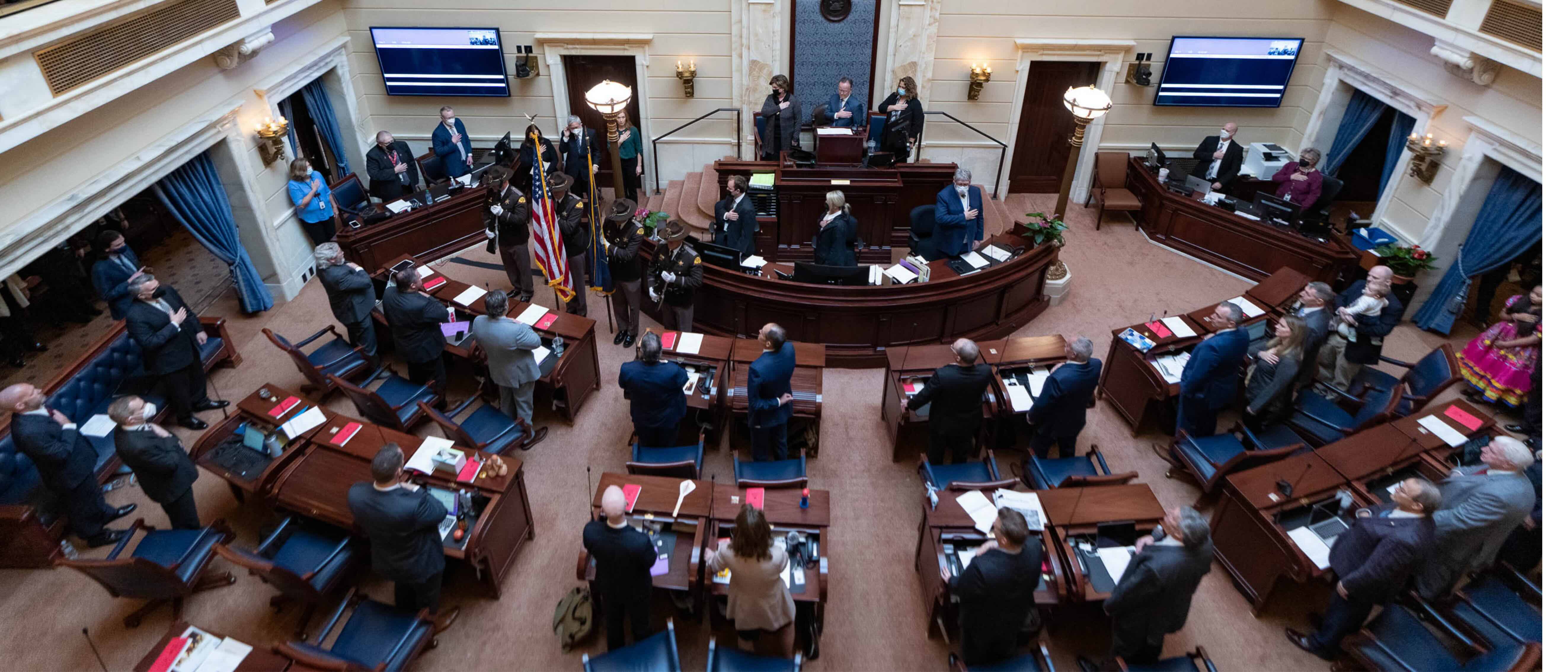
Leadership is essential in any large organization—especially one like a state legislature, where dozens of elected officials with different opinions must work together to pass laws. This article explains the main leadership roles in Utah. We’ll start with the top two positions and then cover other important roles.
These leaders act like the “conductors” of their respective chambers, managing meetings, setting priorities, and ensuring debates stay orderly. Here’s a clear breakdown for anyone new to how the state government works.
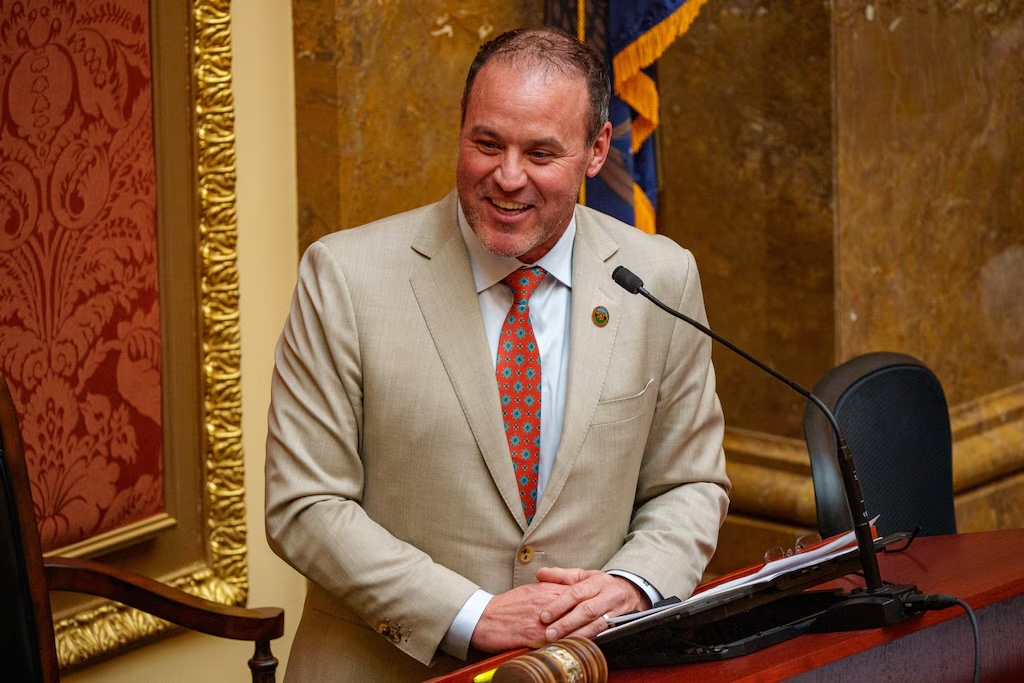
Speaker of the House of Representatives – Mike Schultz (R-20)
The Speaker is the leader of the Utah House of Representatives, which has 74 additional members. Think of the Speaker as the chief organizer and referee for the House.
Key responsibilities include:
 Key responsibilities include:
-
Running meetings: During the 45-day legislative session each year, the Speaker sets the daily agenda—what bills get discussed and in what order. They call on representatives who want to speak and keep discussions moving fairly and efficiently.
-
Oversight: The Speaker assigns members to committees (where most detailed work on bills happens), enforces the rules, and manages the voting process.
-
Representation: As the official face of the House, the Speaker signs important documents, sometimes speaks on behalf of the House to the public, and serves as the main point of contact with the Senate Chamber and the Governor.
President of the Senate – Stuart J. Adams (R-7)
The President of the Senate plays a nearly identical leadership role, but in the smaller Senate chamber, which has 28 additional members. The President supervises Senate proceedings and acts as the main voice for the Senate when communicating with the House and the Governor.
Key responsibilities include:

-
Running meetings: Like the Speaker, the President controls the agenda, decides the order of business, and calls on senators to speak.
-
Oversight: They assign senators to committees, enforce rules and decorum, and oversee debates and votes.
-
Representation: The President is the official representative of the Senate in formal matters. He manages communication from the House and the Governor, and occasionally speaks on behalf of the Senate to the public.
This leadership position also plays a role in succession: If something happens to the Governor, the line of succession is Lieutenant Governor → Senate President → Speaker of the House.
Other Key Leadership
Majority Leader
-
House of Representative: Casey Snider (R-5)
-
Senate: Kirk Cullimore (R-19)
The Majority Leader serves as the primary floor leader for the majority party (Republicans in Utah's current composition). They act as the "chief lieutenant" to the Speaker or Senate President and especially on behalf of their caucus.
Their responsibilities typically include:
-
Developing and advancing the party's legislative priorities and agenda.
-
Managing floor debates, scheduling bills, and coordinating with committee chairs to ensure a steady flow of legislation.
-
Negotiating within the party and with the minority to build support for key measures.
-
Serving as a key spokesperson during sessions, explaining party positions to members and the public.
While the Speaker and Senate President are the top leaders, the Majority Leader acts like their right-hand person. In simple terms, the Majority Leader takes the big goals from the top leader and turns them into a clear, practical plan for the day-to-day work. They keep track of what’s happening in the committees, round up votes for important bills, and help solve disagreements between members of their own party.
Minority Leader
-
House of Representatives: Angela Romero (D-25)
-
Senate: Luz Escamilla (D-10)
The Minority Leader is the chief spokesperson and strategist for the minority party (Democrats in Utah). Even without majority control, they play a crucial role in shaping debate, offering alternative perspectives, and holding the majority accountable.
Key duties include:
-
Developing the minority party's positions on legislation and communicating them effectively.
-
Coordinating opposition or amendments to majority bills.
-
Negotiating with majority leadership on procedural matters, bill scheduling, and compromises.
-
Mobilizing minority members for votes and ensuring their voices are heard in debates.
Minority leadership also works closely with the Speaker/President to help shape the agenda, and advocates for bipartisan legislation and must pass bills. Their role is vital in keeping the legislature balanced.
Whips and Assistant Whips
Majority:
-
House of Representatives: Whip Candice Pierucci (R- 49) and Assistant. Whip Bridger Bolinder (R-29)
-
Senate: Whip Chris H. Wilson (R-2) and Assistant Whip Micheal K. McKell (R-25)
Minority:
-
House of Representatives: Whip Jennifer Dailey-Provorst (D-22) and Assistant Whip Sahara Hayes (D-32)
-
Senate: Whip Karen Kwan (D-12) and Assistant Whip Jen Plumb (D-9)
This role is considered to be the ‘enforcers’ and vote counters within the party. They work closely with their respective leaders (minority/majority) to ensure party members are present for important votes and aligned with the party's position. Because of the duties that Whips provide, leadership almost always will know which way a vote is happening before it actually happens.
Executive Appropriations Committee Chairs
-
House of Representatives: Val Peterson (R-56)
-
Senate: Jerry Stevenson (R-6)
This role centers on the state budget process, which is one of the legislature's most critical responsibilities.They collaborate closely with other appropriations subcommittees and fiscal analysts, and help defend the budget on the floor.
-
Leading budget development: Overseeing the review of agency budget requests, subcommittee recommendations, and the creation of the overall state budget
-
Prioritizing spending: Ranking funding priorities and negotiating allocations across departments (e.g., education, health, transportation)
-
Fiscal oversight: Examining bills with significant financial impacts and ensuring appropriations align with revenue projections
-
Negotiation and final decisions: The chair helps finalize the budget package that goes to the full legislature.
Rules Committee Chairs
-
House of Representatives: Jordan D. Teuscher (R-44)
-
Senate: Lincoln Fillmore (R-17)
The Rules Committee is often one of the most influential committees because it controls the flow of legislation - like gatekeepers. The chairs decide what gets heard when and under what conditions, making this a key position for advancing (or blocking) the majority's priorities.
-
Gatekeeping and scheduling: Reviewing bills after they pass committees, deciding which advance to the floor, and setting the legislative calendar (order of business, consent calendars, etc.).
-
Procedural authority: Interpreting chamber rules, handling parliamentary questions, referring bills, and sometimes overseeing engrossing/enrolling of bills or administrative matters (e.g., chamber operations, ethics in some cases).
-
Leadership tool: Often called the "Speaker's Committee" (or equivalent for the Senate President), it helps the majority maintain control of the agenda and prevent unwanted bills from advancing.
Speaker/President Pro Tempore
-
House of Representatives: Jim Dunnigan
-
Senate: Wayne A. Harper
Think of this role as the understudy for the Speaker/President. Pro Tempore will serve as the temporary presiding officer in the absence of the Speaker or President. During that time they will take on the duties and responsibilities as well as the power associated with the Speaker/President. Pro Tempore is essential for procedural reliability and leadership depth especially when the President and Speaker have to step off the floor for important meetings during the quick session.
Parliamentarian
-
House of Representatives: Steve Eliason (R- 43)
-
Senate: Todd D. Weiler (R- 8)
The Parliamentarian serves primarily as a nonpartisan (or low-partisan) expert advisor to the presiding officer (Speaker/President), other leaders, and members. Tasks include:
-
Advising on parliamentary procedure: Provides guidance on chamber rules, Joint Rules, Mason’s Manual of Legislative Procedure, precedents, and proper handling of motions, debates, amendments, points of order, and voting.
-
Supporting the presiding officer: Leadership may consult the Parliamentarian before ruling on points of order, interpreting rules during floor sessions, or handling procedural questions. This helps maintain decorum and fairness.
-
Assisting during sessions and committees: Offers real-time advice on the floor or in committees to ensure compliance with rules.
-
Training and support: Helps educate members and staff on proper legislative process, rules changes, and procedural best practices.
How Are These Leaders Chosen?
Both Speaker and President are elected internally by the members of their own chamber. The 74 House members vote for their Speaker, and the 28 Senators vote for their President. Because Utah is a Republican-majority state, these leaders are typically chosen from the Republican caucus (the majority party). The majority and minority leaders, whips, and assistants are elected internally by their respective party caucuses, typically shortly after general elections.
Why These Roles Matter
The full leadership structure - presiding officers, majority/minority leaders and whips/assistant whips - work together to make the legislative branch function effectively. They
-
Keep the lawmaking process moving forward
-
Help set priorities for which bills get attention
-
Maintain order and civility during debates
-
Serve as key bridges between the House, Senate, and Governor
The same basic structure exists in the U.S. Congress. There’s a Speaker of the U.S. House, a Senate Majority Leader, minority leaders, whips, and so on. Understanding your state legislature is a perfect starting point for learning how the national government works— just on a smaller, more approachable scale.
It is also helpful to know if your own senator or representative serves in leadership. Leadership members generally have more influence than rank-and-file legislators and are often in a stronger position to advance bills, secure priorities for their district, and shape statewide policy. Because this influence is built over years of experience and relationships, there is often value in retaining an effective leadership member rather than replacing them with a freshman legislator who will need time to establish that same influence.
Of course, leadership in the Utah State Legislature isn’t about one or two powerful people making all the decisions. It’s a team effort. The Speaker, Senate President, majority and minority leaders, and whips all play different but connected parts. Together, they help 104 elected officials turn citizen ideas into laws that shape Utah’s future.
Get Involved!
You don’t need to be an expert to participate. Follow Utah State Legislature to stay updated on sessions, committee meetings, Legislation and connect with your Representative - after all they work for you. And follow us, the Doers Network and learn more about our endorsed candidates in the Utah Legislature.
